 HellenicNutriFlow
The Importance of Whole Foods in Daily Nutrition
February 2026
Whole foods are foods that have undergone minimal processing and retain most of their original nutritional components. From a scientific perspective, whole foods offer significant nutritional advantages compared to highly processed alternatives, providing not just calories but a complete package of nutrients the body needs.
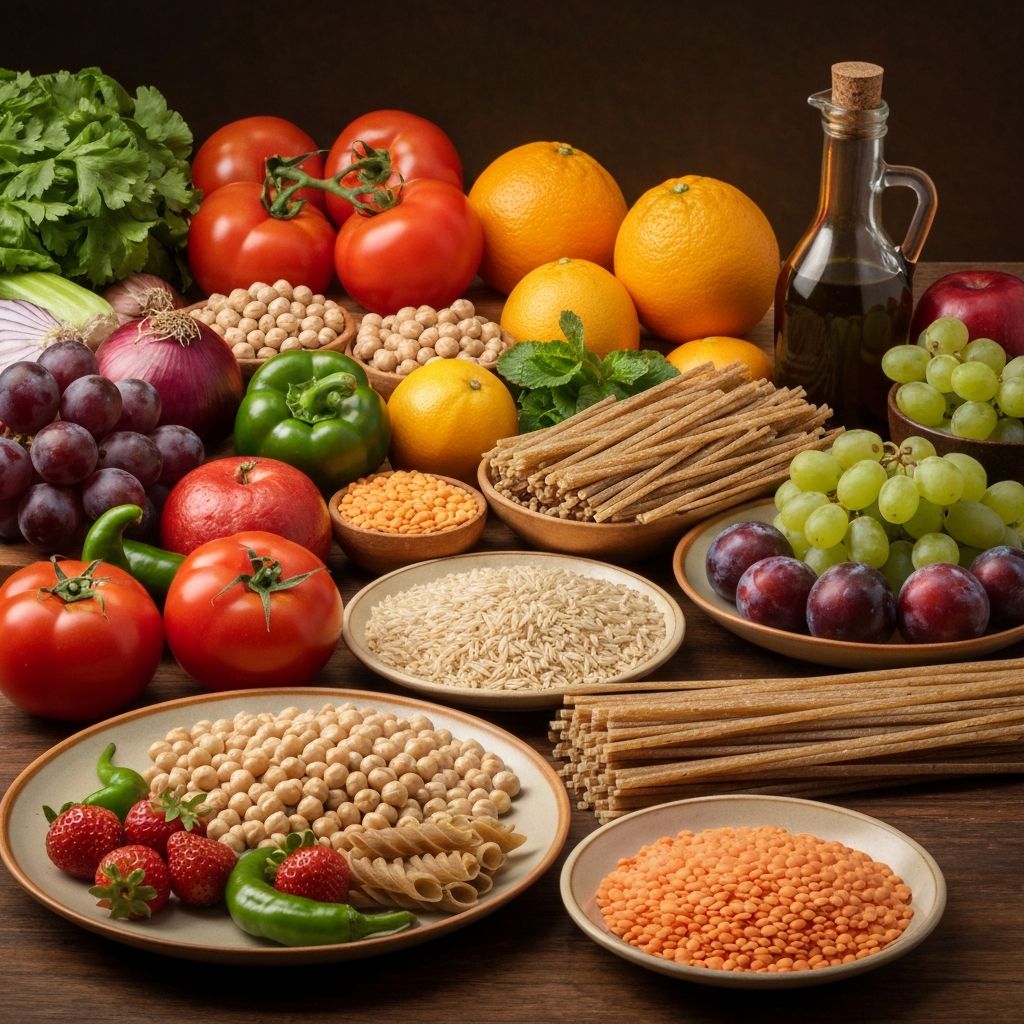
What Constitutes Whole Foods
Whole foods include vegetables, fruits, whole grains, legumes, nuts, seeds, and unprocessed animal products like meat, fish, and eggs. These foods exist in forms similar to their natural state, having undergone little to no industrial processing.
In contrast, processed foods have been manufactured, refined, or transformed significantly from their original state. Ingredients may have been removed, added, or altered. While some degree of processing is part of food preparation, highly processed foods often contain added sugars, sodium, and industrial ingredients while having reduced fiber and nutrient density.
Micronutrient Content
Beyond macronutrients, whole foods provide vitamins, minerals, phytonutrients, and other bioactive compounds that processed foods have lost during processing. A tomato contains not only calories and macronutrients but also lycopene, vitamin C, potassium, and hundreds of other compounds that contribute to its nutritional value.
Processing removes or reduces many of these micronutrients. While some processed foods are fortified with added vitamins, this replacement does not replicate the complex nutrient profile of whole foods, and many beneficial compounds cannot be easily replaced.
Fiber and Digestive Health
Whole foods naturally contain fiber, especially vegetables, fruits, legumes, and whole grains. Fiber supports digestive health, contributes to satiety, and helps stabilize blood sugar. Processing often removes fiber, with refined grains being a clear example: brown rice contains significantly more fiber than white rice, which has had the outer layers removed.
Many processed foods are low in fiber despite being high in calories. The combination of lower fiber and higher density of calories in processed foods can contribute to overeating, as fiber is one of the nutrients that promotes satiety.
Blood Sugar Stability
Whole foods, particularly those containing fiber and complex carbohydrates, generally produce more gradual effects on blood sugar compared to processed foods. Processing often removes fiber and adds refined sugars, creating foods that cause rapid blood sugar spikes.
Stable blood sugar supports sustained energy levels and metabolic function. Whole grains, vegetables, fruits, and legumes provide energy while maintaining more stable blood sugar compared to refined carbohydrates and added sugars.
Practical Application
Building meals around whole foods provides the nutritional foundation for good health. Combining vegetables with lean proteins, healthy fats, and whole grains creates nutritionally complete meals. While occasional processed foods may fit into many people's diets, making whole foods the foundation of daily eating supports nutritional adequacy and metabolic health.
The Mediterranean dietary pattern exemplifies this approach, emphasizing whole foods like vegetables, fruits, legumes, whole grains, fish, olive oil, and nuts, with minimal processed foods.
Educational Content
This article explains scientific concepts about nutrition and whole foods. It does not provide personal dietary recommendations or medical advice. For personalized nutrition guidance, please consult qualified healthcare professionals or registered dietitians.